ArtyFX is a plugin bundle of artistic “RT” effects. The aim of this plugin collection is to allow the designing of your sound just as you desired using a fast, effiecient workflow. Ported to Pandora by Canseco.
.png)

ArtyFX is a plugin bundle of artistic “RT” effects. The aim of this plugin collection is to allow the designing of your sound just as you desired using a fast, effiecient workflow. Ported to Pandora by Canseco.
Lord of the Rings Game Engine is a rewrite of the game engine for very famous Lord of the Rings Game by Interplay. The game captures the athmosphere of Middle Earth very well and it is regarded as one of the best Tolkien inspired games ever. It is an old-fashioned RPG covering most of the book events but adds more quests. Ported to Pandora by magic_sam.
.png)
Changes:
– Data file names are automatically converted to lower case
DISTRHO-Nekobi is a DPF’ied build of Nekobee, allowing LV2 and VST builds of the plugin, plus a nicer UI. At the end the program is a simple single-oscillator synth based on the Roland TB-303. Ported to Pandora by Canseco.
.png)
Qmmp is an audio-player, written with the help of the Qt library. The user interface is similar to winamp or xmms. Ported to Pandora by Canseco.
_(pandora_application_port).png)
Release notes:
– Latest stable release.
– Updated libs and sources.
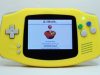 The Freeplay Zero and Freeplay CM3 kits allow you to build your own handheld retro gaming console. Build it! Customize it! Play it! Handheld Raspberry Pi retro gaming with the styling of your favorite classic videogame console. Seriously fine stuff by the guys at Freeplaytech. There are various kits to buy, specially for your needs.

A real gaming gadget for the big boy! And the funding has already made it’s 2/3 goal. This is damn hot stuff!
John Hancock has a look at Weltenschlächter for the Atari Lynx.

Ike Lindell is a true one-man show. Recently he released the game Sheepwith. Fly 4 different aircrafts saving sheep from vultures, wolves, piranhas and other dangers!

Paratrooper by adrian09_01 is an frantic arcade action with increasing difficulty. Shoot down paratroopers before they explode your cannon!
.png)
First Frog in Space by Elastiskalinjen is a lunar-landing type of game mixed with some mining a la minecraft. You need to control your ship while gathering ores to maintain fuel,shield and to go to next level!
.gif)
Hyper Arkanoid is a one weekend mini-project by Elastiskalinjen. Add some rules to Arkanoid to make it faster. At any time you can add a ball, but doing so at the expense of your HP. Each broken brick generates ammo for you to use, so shooting will be your secondary weapon to destroy bricks.
.gif)